
Tags
The Future of Books and Information in the Multipolar World
Summary of discussion with the Metapolitics Think Tank
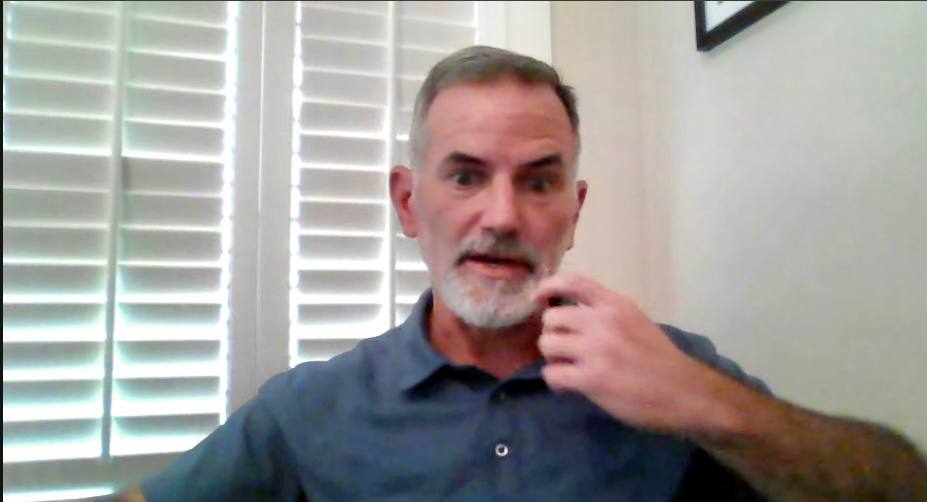
On Monday, August 31, 2026 of the Gregorian calendar, I sat down with Taha Jahandideh of the Metapolitics Think Tank in Iran for a forum discussion of books, literacy, culture, and more in the emerging multipolar era. We were joined by several other gentlemen from America, Europe, and West Asia, including Speculum Orientis and Constantin von Hoffmeister, in a session that lasted approximately 90 minutes. Here follows a summary of some of what was discussed, as compiled by Taha, whom I cannot thank enough, in Persian and English.
First, I note that by the Islamic or Persian solar calendar, the date coincided with Mawlid, the birthday of the Prophet Muhammad, a blessing be upon Him. As such, I thanked the majority Muslim forum for hosting the event on a sacred holiday. Further, I relayed what I considered an amazingly apropos quote, given the topic of our discussion. The first public, inspired words spoken by the Prophet, according to Sura Al-’Alaq 96:1, were: “READ! In the name of the Lord.” Finding this point inspirational, I then followed up with Proverbs 1:7: “Fear of the Lord is the beginning of knowledge.” We then jumped right into what was a lively and informative talk.
My conclusory notes are at the very end. The summary is published on Telegram here:
Persian:
عصر پساسواد: مسخ عامدانه اطلاعات و سنت در جهان غرب
🔻پرین لاویت، نویسنده و تحلیلگر آمریکایی، در نشستی با میزبانی اندیشکده فراسیاست، ضمن تشریح بحران «پسا-سوادآموزی» در آمریکا، آمار تکاندهندهای از افول سواد و کتابخوانی و نفوذ هنر شیطانی در کلیساها و معماری سنتی غرب ارائه کرد و آنها را بخشی از برنامه و جنگ فرهنگی سیستماتیک علیه مسیحیت، معنویت و سنت دانست.
متن کامل
🔻به گزارش روابط عمومی اندیشکده فراسیاست، لاویت در این نشست عصر پسا-سوادآموزی را نه صرفا یک بیسوادی ساده، بلکه وضعیتی از بیسوادی دانست که در آن افراد توانایی خواندن دارند، اما عامدانه از خواندن متون عمیق و معنادار اجتناب میکنند. از منظر او، این وضعیت یک بحران تمدنی جهانی بوده و از منظر او، بقای تمدن غرب پس از توقف مطالعه مردم در عصر کنونی در هالهای از ابهام است. لاویت با تلقی پسا-سوادآموزی بهعنوان پدیدهای جهانی، به نقل از یک نویسنده روس اشاره کرد که ما دیگر انسانهای اهل مطالعه و کتابخوان نیستیم و گویا آن جهان برای همیشه به پایان رسیده است. با این حال، او بیان کرد که نباید امید تاریخی خود را جهت رهایی از این وضعیت از دست داد و با استناد به شکایت هزیود از جوانان در قرن هشتم پیش از میلاد یادآور شد که یونان باوجود آن جوانان، همچنان پابرجا ماند.
🔻لاویت در این گفتوگو آمار و اطلاعات متعددی درباره افول کتابخوانی و وضعیت تحصیلی در آمریکا ارائه کرد. در آزمون بلک هاوس و بر اساس مطالعهای که در دو دانشگاه غرب میانه آمریکا انجام شد، از میان ۸۵ دانشجوی رشته زبان و ادبیات انگلیسی، ۵۸ درصدعملا قادر به درک نوشتار چارلز دیکنز نبودند و تنها ۵ درصد توانستند خود را به عنوان خوانندگان کاملا باسواد اثبات کنند؛ او این یافتهها را با مشاهدات خود در دانشگاههای هاروارد، کلمبیا، جورجیا، شیکاگو و سایر مؤسسات علمی همخوان دانست و آمار رسمی نرخ باسوادی در آمریکا که معمولا بین ۳۰ تا ۴۰ درصد است را یک شیادی تلقی کرد.
🔻لاویت همچنین در این نشست به پنج سطح سوادآموزی اشاره کرد و به باور او، سطح پنجم و نهایی، فهم و درک متون فلسفی است. او بیان داشت که فرد باسواد در این سطح نه تنها متن را میخواند، بلکه میتواند ساختارهای فکری و پیشفرضهای فلسفیِ نهفته در متن را بازشناسد و درباره آنها بیندیشد و این بالاترین سطح سواد است. از منظر او، این سطح نشان میدهد که چرا بحران پسا-سوادآموزی تا این اندازه نگرانکننده است؛ زیرا جامعهای که در آن تنها ۵ درصد از دانشجویان ادبیات در آزمون کاملا باسواد شناخته شدند، عملا از دستیابی به این سطح از درک فلسفی محروم میماند.
🔻مهمان نشست همچنین به آمار دیگری اشاره کرد: ۴۰ درصد از دانشآموزان کلاس چهارم در آمریکا قادر به خواندن نیستند و بسیار کمتر از آنها میتوانند در سطح پایه تحصیلی خود مطالعه کنند؛ یک معلم که مسئول ۱۱۰ دانشآموز پایه هشتم بود، گزارش داد که تنها دو نفر از آنها توانایی خواندن در سطح کلاس هشتم را دارند. او همچنین به مطالعهای اشاره میکند که نشان میدهد از میان دانشآموزان دبیرستانی امروز، تنها ۲ درصد اخبار روزانه را میخوانند و یکسوم آنها در یک سال گذشته هیچ چیزی را نخواندهاند. او علاوه بر آمار، به نشانههای فرهنگی نیز اشاره کرد: حذف بخش نقد کتاب از روزنامههای بزرگ، بازسازی کتابخانههای مدارس به فضاهای بزرگ با کتابهای اندک و رشد فروشگاههای کتاب صوتی به عنوان جانشینی ناکافی برای کتابفروشیهای واقعی.
🔻مهمان نشست در بخش دوم این برنامه، به مجموعهای از وقایع درباب نفوذ هنر مدرن و پستمدرن در فضاهای مقدس غرب اشاره کرد و آن را بخشی عامدانه از جنگ فرهنگی سیستماتیک علیه تمدن سنتی و مسیحیت دانست؛ از منظر او، هنرهای پوچگرایانه مدرن و پست مدرن، نه صرفا یک جریان زیباییشناختی صرف، بلکه ابزاری برای تخریب فرهنگ غربی و سنت مسیحی است؛ از نگاه او، نصب دائمی و مکرر آثار جکسون پولاک و اکسپرسیونیسم انتزاعی و حتی نقاشیهای کاریکاتوری از مسیح در اکثر کلیساهای اروپا، فضای عبادت را از قداست تهی کرده است. او بیان کرد که آنچه امروز در کاخ ورسای رخ میدهد، اقدامی برای تخریب فرهنگ غربی تا حدپوچی و ابتذال و تبدیل یک مکان کلاسیک، معنوی و زیبا به فضایی زشت، مدرن، بیروح و فلزی است؛ برای مثال تالار سنت پیتر واتیکان با قراردادن مجسمهسازیهای جهنمی و شرارت عامدانه در هنر مدرن، بهویژه در کلیسای کاتولیک معاصر، با پرچمهای همجنسگرایان و نقاشیهای پوچ آمیخته شده است. برگزاری دیسکو و کوئیرپارتی در کلیساهای آلمان، آن هم در ایام مقدس مسیحیت، نه صرفا نشانه فروپاشی سنتگرایی غربی و سکولاریسم، بلکه شیطانی شدن مکانهای معنوی است؛ بهطوری که دیگر شاید نتوان کودکان را به کلیساها برد. از دیدگاه لاویت، این روند نه تصادفی، بلکه بخشی از یک جنگ فرهنگی سیستماتیک علیه تمدن سنتی و مسیحیت است که هنر مدرن و پستمدرن در آن نقش ابزار تخریب را ایفا میکند. از منظر او، آیتالله سیدعلی خامنهای از تنها رهبران جهان بود که علیه این شیطانیسازی ایستاد و برای مثال، از مراسم جنسی المپیک پاریس انتقاد کرده و از مقدسات ادیان الهی، از جمله عیسی مسیح دفاع کرد. این واکنش پس از بخشی از مراسم افتتاحیه المپیک ۲۰۲۴ پاریس صورت گرفت که گروهی از افراد از جمله چنددرگ کوئین مشهور با لباسهای نیمه برهنه را در حال نشستن بر سر میزی نشان میداد که یادآور شام آخر عیسی مسیح با حواریونش بود.
🔻در پایان این نشست، راهحلهای خروج از این بحرانها در چارچوبی عملی صورتبندی شد؛ از جمله اینکه دولتهای مستقل از جهان لیبرال با سیاستگذاری دقیق و تربیت عوام و جلوگیری از فریبخوردن آنها توسط رسانههای جریان اصلی، تربیت و سوادآموزی را بهمثابه عرصهای مشابه تحریمشکنی و تولید صنعتی ببینند: همانگونه که یک ملت برای ایستادگی در برابر تحریمها به کار سخت وخودکفایی نیاز دارد، احیای سواد نیز بدون سختکوشی و تلاش عامدانه جهت خروج از وضعیت موجود ممکن نیست. یکی از کانونهای اصلی راهحل از نگاه لاویت، خانه و خانواده است؛ او والدین را مسئول اصلی آگاهسازی کودکان درباره ماهیت اطلاعات و منابع دانست و ویکیپدیا را بهعنوان نمونهای از منبع اطلاعاتیای تلقی کرد که به باور او، در پیوندی آشکار با نهادهای اطلاعاتی از جمله CIA است. لاویت آموزش و پرورش و مدارس دولتی را نه تنها ناکارآمد، بلکه فعالانه مخرب دانست و خانهآموزی را بهعنوان راهبردی جدی برای خروج از این وضعیت در جهان غرب پیشنهاد کرد.
🔻این تحلیلگر آمریکایی در پایان تأکید کرد که بحران پسا-سوادآموزی در یک روز پدید نیامده و با توصیههای ساده یا اتکا به نهادهای موجود، که خود بخشی از مسئلهاند، برطرف نمیشود؛ از اینرو، راهحل باید در سطحی بنیادین و با همان جدیتی دنبال شود که در مقابله با فشارهای ژئوپلیتیک به کار میرود. لاویت در همین چارچوب، روسیه را بهعنوان الگویی برای اصلاح آموزش عالی معرفی کرد و بیان داشت که اگر کسی بخواهد سیستمهای مشابه را در جای دیگر بهبود بخشد، ارزشمند است که ببیند در مسکو چه میگذرد.
English:
The age of post-literacy: deliberate misrepresentation of information and tradition in the Western world:
Perrin Lovett, an American writer and analyst, in a meeting hosted by the Institute for transcendence, while describing the “post-literacy” crisis in the United States, presented shocking statistics on the decline of literacy and reading and the influence of evil art in traditional Western churches and architecture, and considered them part of the program and systematic cultural war against Christianity, spirituality and tradition.
According to the Public Relations Department of the Metropolitan think tank, Lovett considered literacy not just a simple illiteracy, but a situation of illiteracy in which people are able to read, but deliberately avoid reading deep and meaningful texts. From his point of view, this situation has been a global civilization crisis, and from his point of view, the survival of Western civilization after stopping the study of people in the current era is in a haze of ambiguity. With post-literacy as a global phenomenon, Lovett quoted a Russian writer as saying that we are no longer people of study and reading, and that the world is over forever. However, he stated that he should not lose his historical hope for relief from this situation, and citing the complaint against young people in the eighth century BC, it was noted that Greece remained still despite those young people.
In the interview, Lovett provided numerous statistics and information about the decline of reading and the educational situation in the United States. In the Blackhouse test, based on a study conducted at two universities in the Midwest, out of 85 students in English language and literature, 58% were virtually unable to understand Charles Dickens ‘ writing, and only 5% were able to prove themselves as fully literate readers; he found these findings to be consistent with his observations at Harvard, Columbia, Georgia, Chicago, and other scientific institutions, and found that the official literacy rate in the United States, which is usually between 30 and 40 percent, was a he considered Shadi.
Lovett also referred to the five levels of literacy at the meeting, and his belief is the fifth and final level, understanding and understanding of philosophical texts. He stated that the literate person at this level not only reads the text, but can also recognize the intellectual structures and philosophical assumptions hidden in the text and think about them, and this is the highest level of literacy. From his point of view, this level shows why the post-literacy crisis is so worrying, because a society where only 5 percent of literature students were fully literate in the test is practically deprived of this level of philosophical understanding.
The guest of the meeting also pointed to other statistics: 40 percent of fourth-graders in the United States are unable to read and much fewer can study at their basic level; a teacher responsible for 110 eighth-graders reported that only two of them have the ability to read at the eighth grade level. He also points to a study that shows that of today’s high school students, only 2 percent read The Daily News, and one-third of them haven’t read anything in the past year. In addition to statistics, he also pointed to cultural signs: the removal of the book review section from large newspapers, the reconstruction of school libraries to large spaces with few books and the growth of audio book stores as an insufficient successor to Real bookstores.
The guest of the meeting in the second part of the program referred to a series of events about the influence of modern and postmodern art in the sacred spaces of the West and considered it a deliberate part of the systematic cultural war against traditional civilization and Christianity; from his point of view, modern and postmodern absurdist art is not merely a mere aesthetic current, but a tool for the destruction of Western culture and Christian tradition; from his point of view, the permanent and frequent installation of Jackson Pollock’s works and abstract expressionism and even paintings a caricature of Christ in most churches in Europe has deprived the worship space of holiness. He stated that what is happening in the palace of Versailles today is an attempt to destroy Western culture to the point of vulgarity and vulgarity and turn a classic, spiritual and beautiful place into an ugly, modern, soulless and metallic space; for example, the Hall of St. Peter of the Vatican is mixed with homosexual flags and absurd paintings by placing hellish sculptures and deliberate evil in modern art, especially in the contemporary Catholic Church. The holding of Discos and quirks in German churches, in the Holy Days of Christianity, is not merely a sign of the collapse of Western traditionalism and secularism, but the demonization of spiritual places, so that children may no longer be able to be taken to churches. From Lovett’s point of view, this process is not accidental, but part of a systematic cultural war against traditional civilization and Christianity, in which modern and postmodern art plays the role of means of destruction. From his point of view, Ayatollah Sayyid Ali Khamenei was among the only world leaders to stand against this demonization and, for example, criticized the Paris Olympics sex ritual and defended the sanctities of the divine religions, including Jesus Christ. The reaction came after part of the opening ceremony of the 2024 Paris Olympics, which saw a group of people, including the famous chandrag Quinn in half-naked clothes, sitting at a table reminiscent of Jesus Christ’s final dinner with his apostles.
At the end of the meeting, solutions to these crises were formulated in a practical framework, including that governments independent of the liberal world see education and literacy as similar areas of sanctions and industrial production by carefully policymaking and educating the masses and preventing them from being deceived by the mainstream media: just as a nation needs hard work and self-sufficiency to stand up to sanctions, so does reviving literacy without deliberate effort and effort to get out of the situation.it’s not possible. One of the main focuses of the solution from Lovet’s point of view is the home and the family; he considered parents to be the main responsible for educating children about the nature of information and resources, and considered Wikipedia as an example of an intelligence source that he believed was in a clear link with intelligence agencies including the CIA. Lovett called education and public schools not only inefficient, but also actively destructive, and suggested homeschooling as a serious strategy to get out of this situation in the Western world.
The American analyst concluded by stressing that the post-literacy crisis did not arise in one day and was not solved by simple recommendations or relying on existing institutions, which are themselves part of the problem; therefore, the solution should be pursued at a fundamental level and with the same seriousness that is used in dealing with geopolitical pressures. In the same framework, Lovett introduced Russia as a model for reforming higher education, stating that if one wants to improve similar systems elsewhere, it is valuable to see what is happening in Moscow.
Notes:
In addition to the unfolding situation in the US, Western Europe, West Asia, and Iran, we also discussed by proxy, Russia, as noted above, and China. Each area has unique issues along with those held universally in common. It was stated without much objection, that one of the primary problems afflicting modern Iran is not the war, nor the economy, but a sense of nihilism that has taken root among younger generations. This surprised me, though it certainly fits with the experiences of the modern/postmodern West. It suggests that we are all involved in a spiritual battle, something else we discussed: the current global conflagration is a matter of good versus evil, of Christians, Muslims, and allies against literal satanism. I think we held a total agreement on that point.
One other thing I noticed was that each one of us was a little harder on his own particular culture than were the participants from other societies. Fortunately, we all bolstered and cheered each other as we probed possible solutions to our various quandaries. We did all of this as friends whilst an evil, idicotic war rages between our assorted parts of the global divide. I’d like to think others can do something similar. In fact, many are already doing so. A final thought is that all of us proceeded from the standpoint of honoring our heritages and traditions, honoring Almighty God, and seeking to preserve human dignity and peaceful civilization. No man had any trouble identifying our common and lowly enemy below.
This was only my third tele-conference ever and it was the one I was most comfortable with. No technical problems! Here’s hoping for something similar in the not-too-distant future. And speaking of, very soon, I hope to have some independent good news about a certain little book!
Deo Vindice


Pingback: Links for 12 Sept. 2026 – Just the Links